Equip your eye care practice with various eye exam charts and cards for specific vision screening needs. These charts and cards have been industry testing tools, providing reliable and efficient patient assessment.

Howell Phoria Cards

Howell Phoria Cards

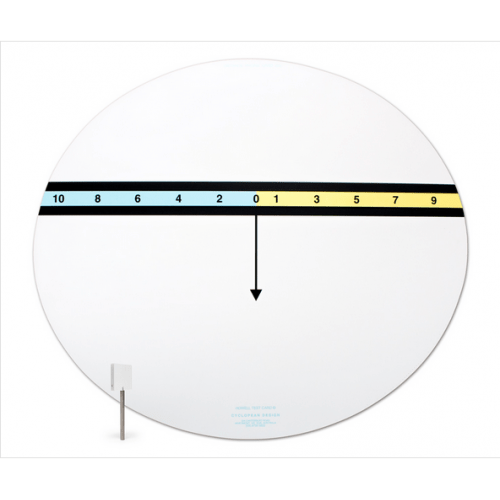
These cards allow direct measurement of the distance and near phorias in real space or with a phorpter. The patient simply has to tell which number the arrow points to. Any odd number (in yellow) shows esophoria while the even numbers (in blue) shows exophoria. An AC/A can quickly be determined with trial lenses.

Near card is about 12″ wide.
Distance chart is about 24″ wide.

IMPORTANT NOTE: This current item we have does not come with prism stick. Just the card itself. 

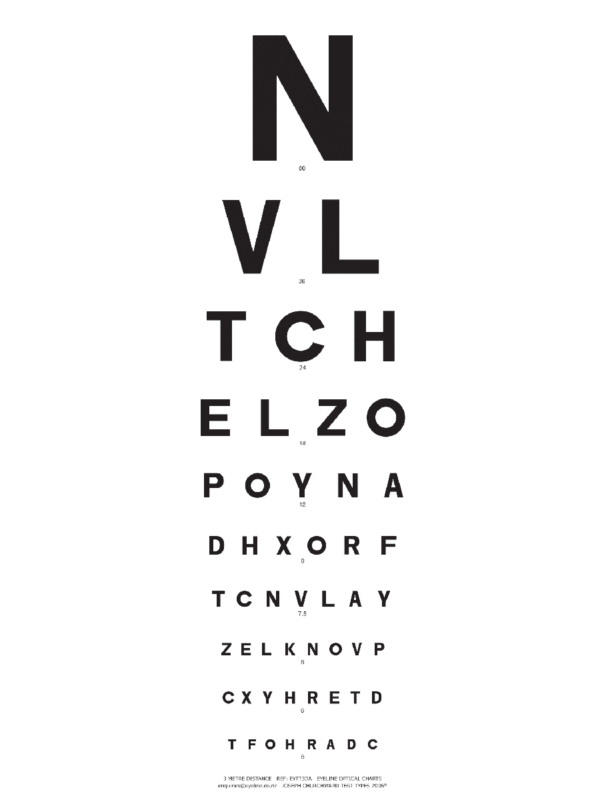
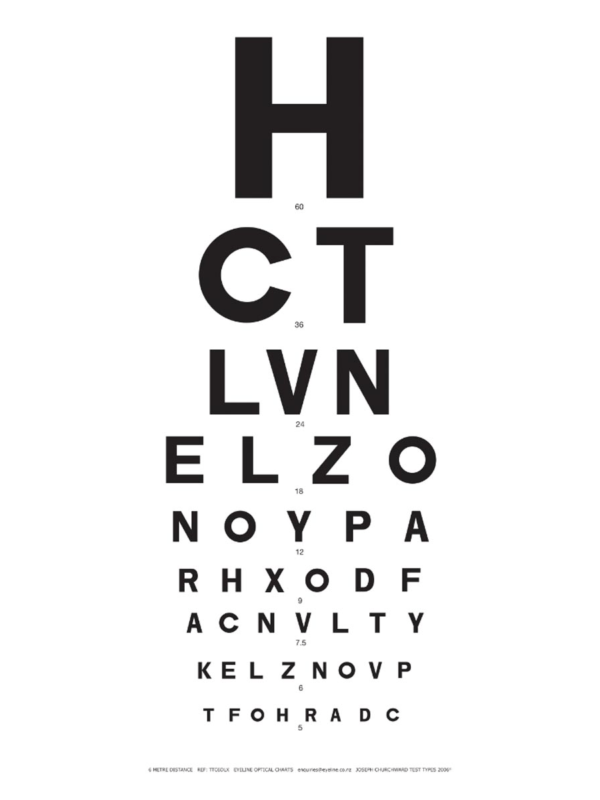
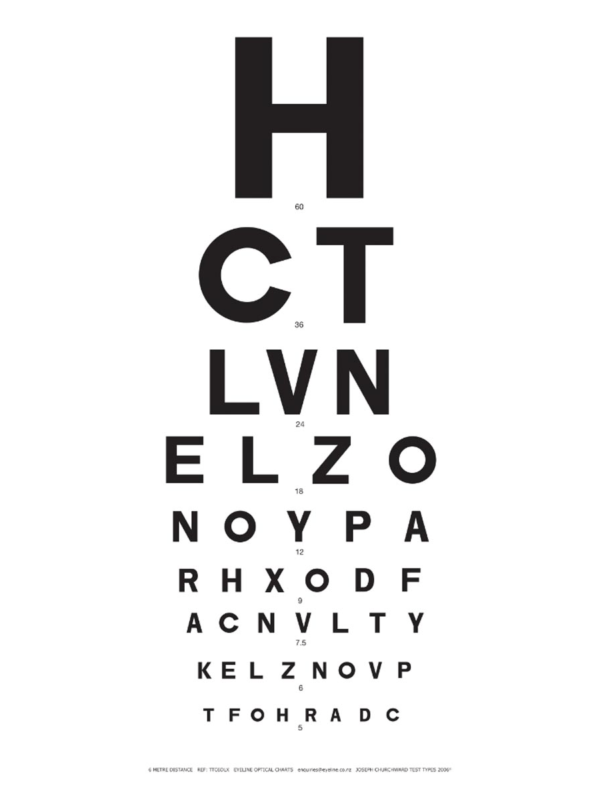
Churchward-Snellen test, plastic panel for lightbox

Churchward-Snellen test, plastic panel for lightbox

Standard Snellen notation for acuity test used by optometrists, ophthalmologists, medical doctors and occupational health personnel for sights tests including aviation, marine, police and defence certification.

The indirect panel is identical to the above 6-metre chart except letters printed in reverse (indirect) for viewing via a mirror.  This indirect version is only available in the 6-metre configuration.

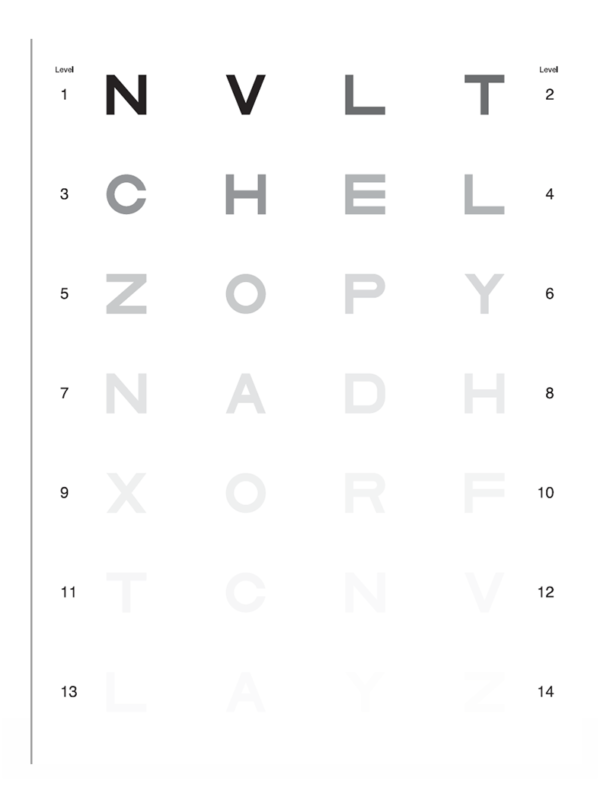
Hamilton Veale Contrast Sensitivity Test

Hamilton Veale Contrast Sensitivity Test

We are all familiar with visual acuity. This measures a visual threshold by keeping the contrast of an object high and constant, whilst varying the spatial separation. An alternative method to measure a visual threshold is to use a contrast sensitivity test, which varies contrast than spatial separation.

The visual acuity of a patient may be normal, but there may be a lowered contrast sensitivity function at low and intermediate spatial frequencies.

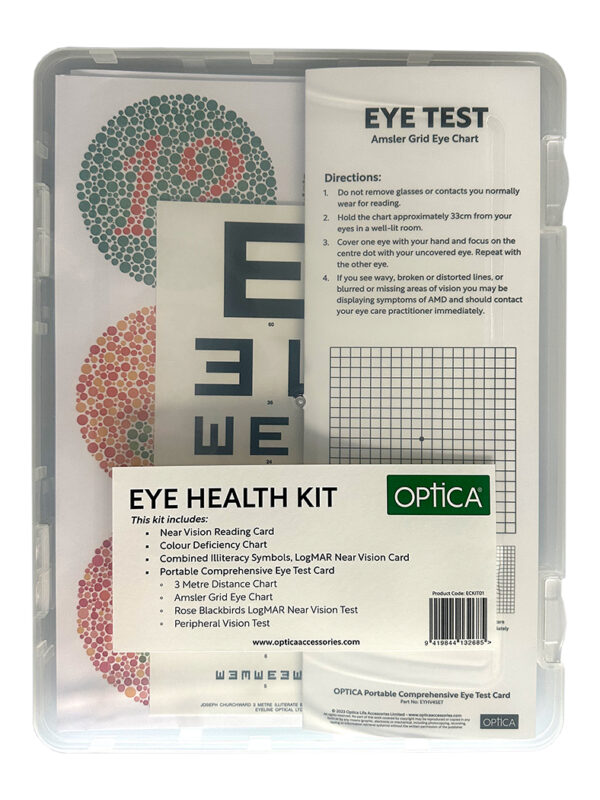
OPTICA Eye Health Kit

OPTICA Eye Health Kit

The OPTICA Eye Health Kit contains 8 different eye tests, perfect for new practice room set ups.

This kit includes:

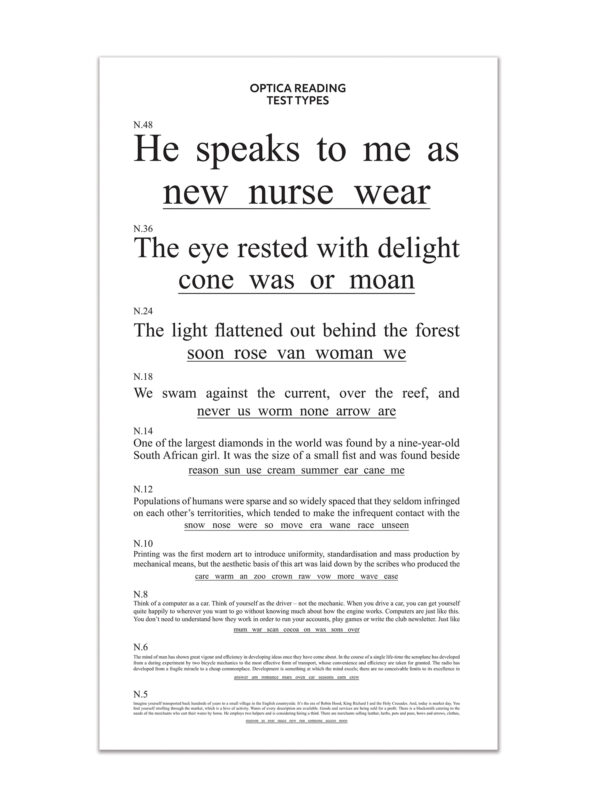
      • Near Vision Reading Card
      • Colour Deficiency Chart
      • Combined Illiteracy Symbols, LogMAR Near Vision Card
      • Illierate “E” 3 metre Snellen Notation Chart
      • Portable Comprehensive Eye Test Card Containing:
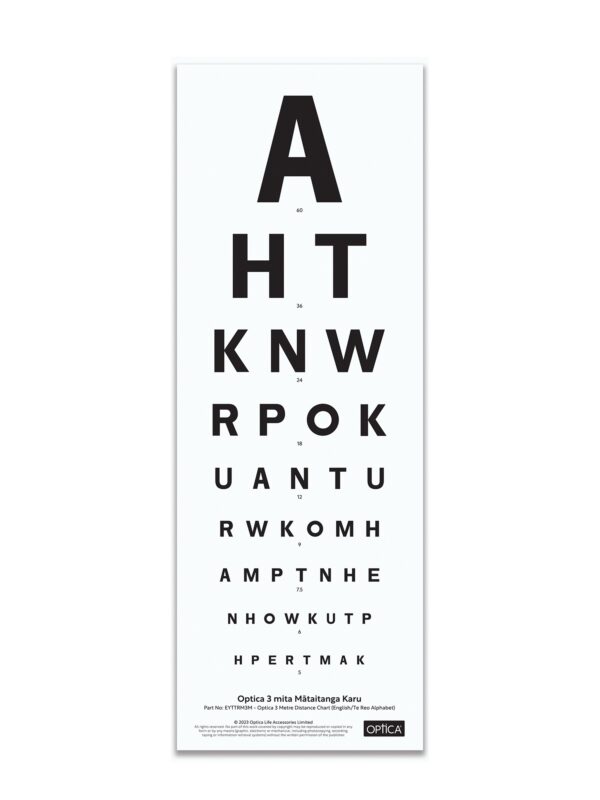
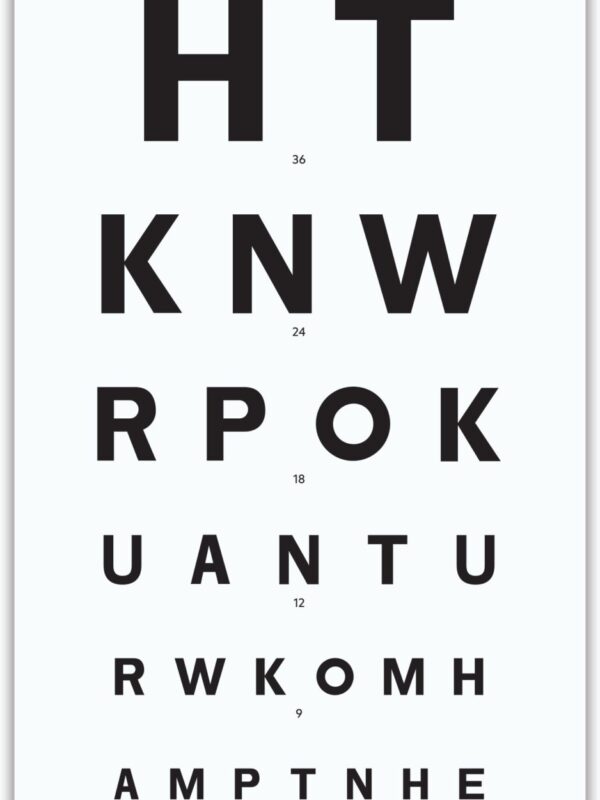
      • 3 Metre Distance Chart
      • Amsler Grid Eye Chart
      • Rose Blackbirds LogMAR Near Vision Test
      • Periperal Vision Test
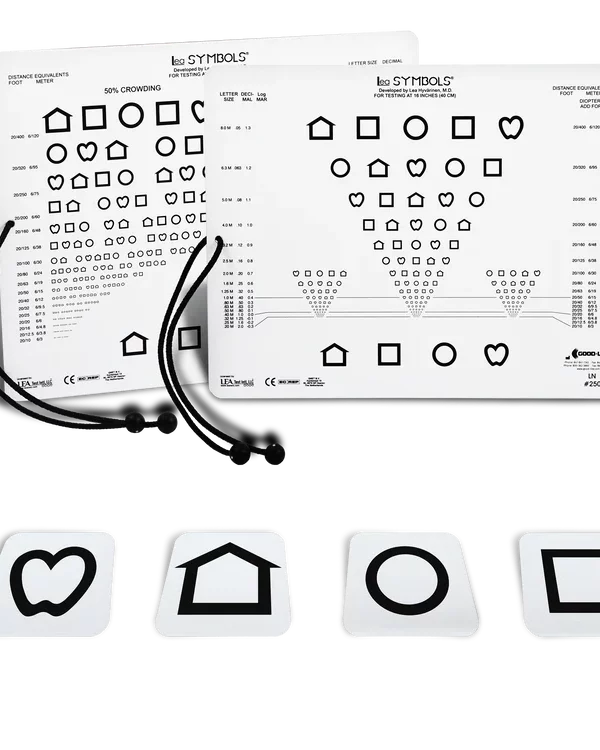
LEA Symbols® & LEA Numbers® Near Vision Card

LEA Symbols® & LEA Numbers® Near Vision Card

This card combines a LEA SYMBOLS® line test on one side and a LEA NUMBERS® line test on the opposite side. Features proportionally-spaced lines from sizes 20/400 to 20/10 (6/120 to 6/3) equivalent. The attached 16″ (40cm) cord ensures proper assessment distance to get the most effective results for the patient. A LEA SYMBOLS® response key is printed on the test card. Flashcards and instructions included.

Card Size: 203 x 254mm

Testing distance: 400mm

LEA Four Symbol Near Card, Double Sided

LEA Four Symbol Near Card, Double Sided

This test assesses the functional vision of a child at near distances and can also be used to familiarize a child with the testing procedure before introducing a distance test.

Features proportionally spaced (logMAR) lines on one side and more tightly-spaced symbols on the opposite side. Line sizes range from 20/400 to 20/10 (6/120 to 6/3) equivalent, 0.05 to 2.00. A response key is printed on both sides of the chart. Flashcards and instructions are included.

Card Size: 203 x 354 mm

Testing distance: 400mm

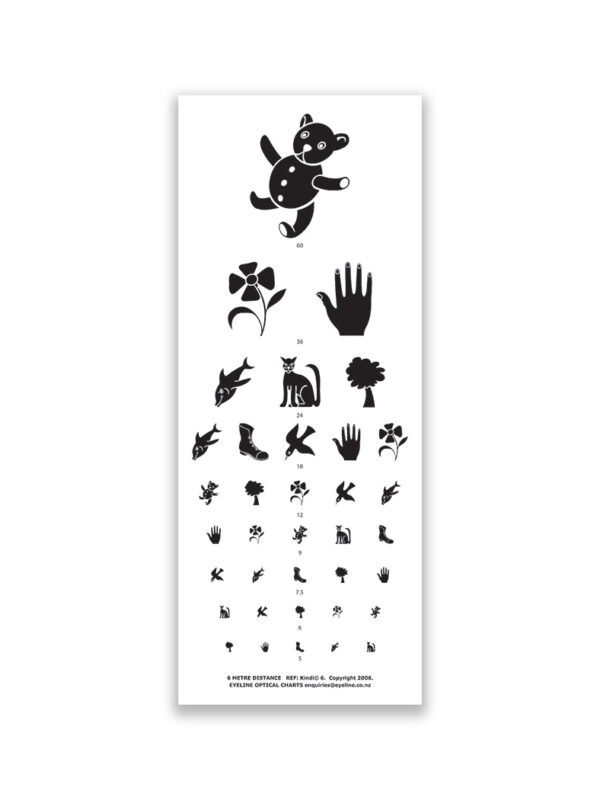
Childrens Churchward-Snellen Test Wall Chart

Childrens Churchward-Snellen Test Wall Chart

Childrens Churchward-Snellen 4 & 6 Metre Distance Test Wall Chart is designed for young children who cannot yet identify all the letters of the alphabet. The key card is placed in front of the patient and is asked to point or touch the figure on the key card that resembles the figure the examiner is pointing to.


Each chart comes with a key card.

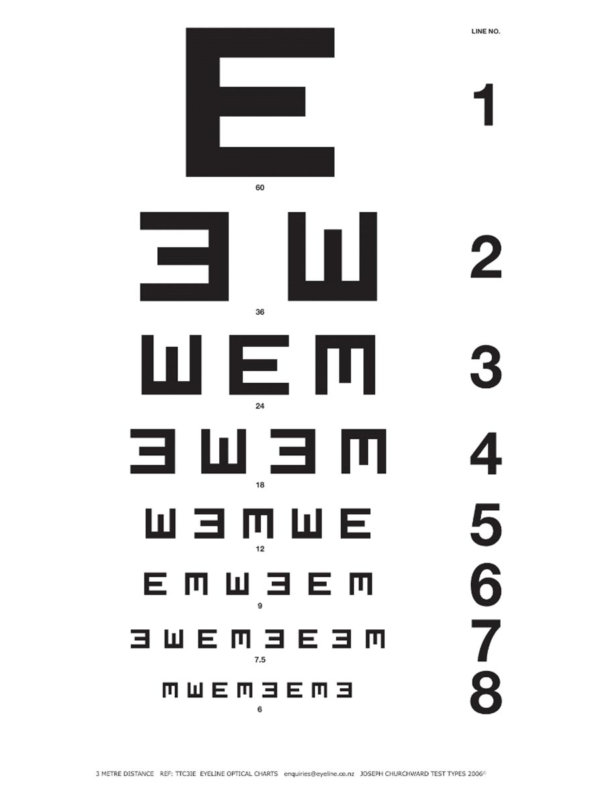
Illiterate "E" Wall Chart

Illiterate “E” Wall Chart

This sight testing chart conforms to the Snellen notation for 6, 4 and 3 metres.  It can be used directly or indirectly (i.e. using a mirror).

The illiterate “E” also known as the “tumbling E”  for testing visual acuity of people who are illiterate, handicapped or where English is not their first language or for persons who cannot speak.

It can be used in conjunction with a card with an E marked on it that the patient holds and rotates to indicate the direction the fingers of the E are pointing.

Alternatively, the fingers of the hand can be used to indicate the direction the fingers are pointing to.

Each line is numbered for easy referral.